
Svalbard
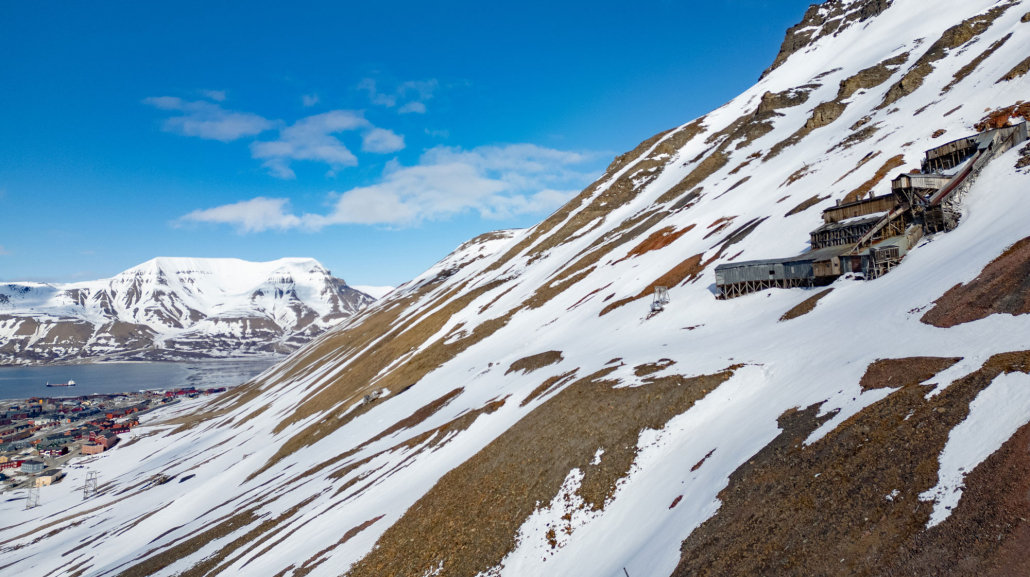
Meanwhile, in Longyearbyen, Svalbard.
I’ve wanted to visit Svalbard ever since I first heard about the Arctic archipelago back in the late 1980s.
During my time in Sweden’s Lapland at Hotel Riksgränsen, I went on a couple of memorable trips to the Lofoten Islands in Norway and twice made it all the way up to Tromsø, among other things, to eat the legendary monkfish served at the city’s classic Peppermøllen eatery.
I didn’t get any farther north — not until now.
A couple of months ago, when my buddy and fellow photographer Henry Arvidsson and I were having coffee in Malmö, we decided that Svalbard would be an awesome place to visit in the spring.
To experience the mighty, raw nature, visit abandoned mines, and maybe — just maybe — catch a glimpse of, and even photograph, a scruffy polar bear from a safe distance would be quite the feather in the cap.
We didn’t get any photos of a live bear, and the ongoing ice breakup threw wrenches into our excursion plans. But we still got to experience magically beautiful nature from the ground, the air, and the sea. We also ate some great food, including whale.
Longyearbyen is a former coal mining town where anyone from anywhere can move without a visa. Maybe that’s why the town is populated by people from all kinds of countries.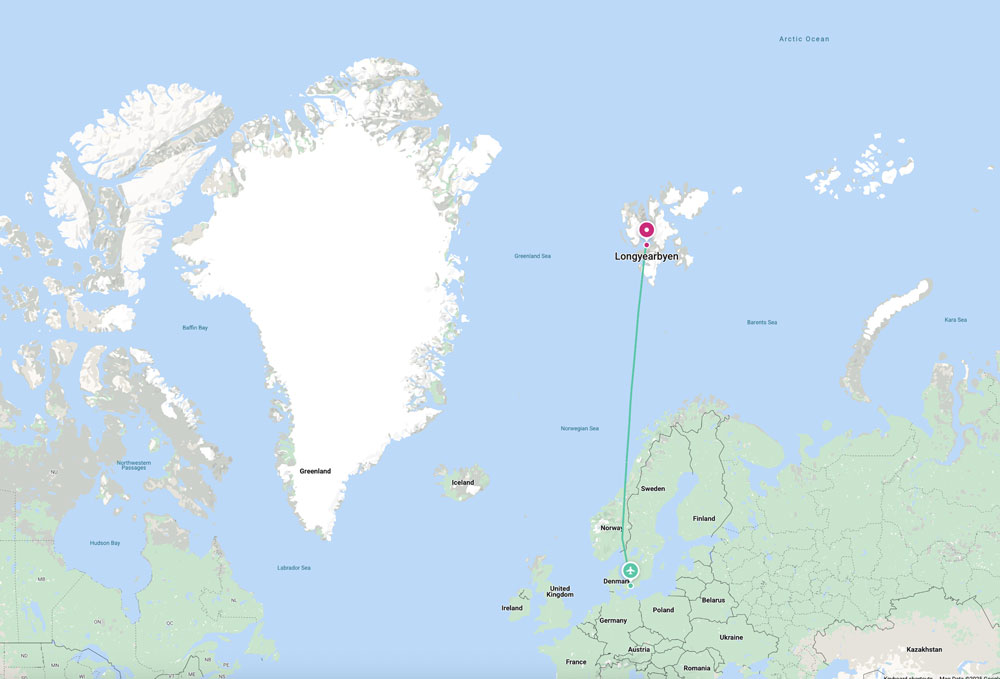
Our hotel is called Polarrigg and is owned by Greg, a Greek guy who otherwise runs a nightclub on the island of Mykonos. The front desk team comes from Bosnia, Australia, and Scotland. The restaurant staff is from Russia, the Philippines, Ukraine, and Romania. At the diner Kroa, most of the workers are from Thailand, and Vlad, the guy who drove the boat over the choppy Isfjorden today, was Russian, while the guide was from South Africa.
Wages are high, taxes are low — just 15%. Rents are said to be on par with apartments in Stockholm, yet here you’ll find most of the conveniences of any small town.
The local supermarket is huge and well-stocked and sits close to Nordpolet, the only place on the archipelago where you can buy alcoholic beverages.
There’s definitely a special spirit here — an atmosphere I recognize from my time at Hotel Riksgränsen, where I bartended and painted, and where almost everyone who worked there came from far beyond Kiruna, the nearest municipality.
People we’ve spoken with here talk about Svalbard’s special vibe and how it’s intimately connected to the distance from “civilization,” far away from the squeak of the hamster wheel.
They like living so close to nature and sharing the environment with Arctic foxes, wild reindeer, eiders, sea eagles, polar bears, walruses, and whales. I can understand their thinking.
I feel really happy having visited yet another exotic spot on my bucket list.
